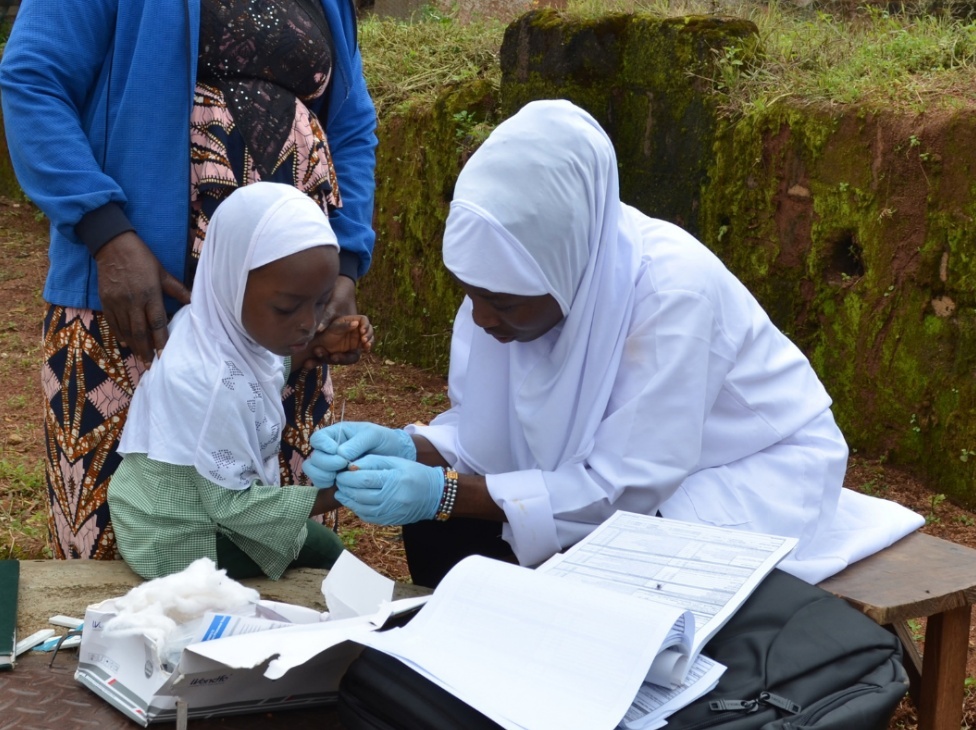
APIPHCARE+ Project

Nigeria has one of the largest paediatric HIV epidemics in the world. More than 200,000 children and adolescents are living with HIV, yet many remain undiagnosed or start treatment too late.
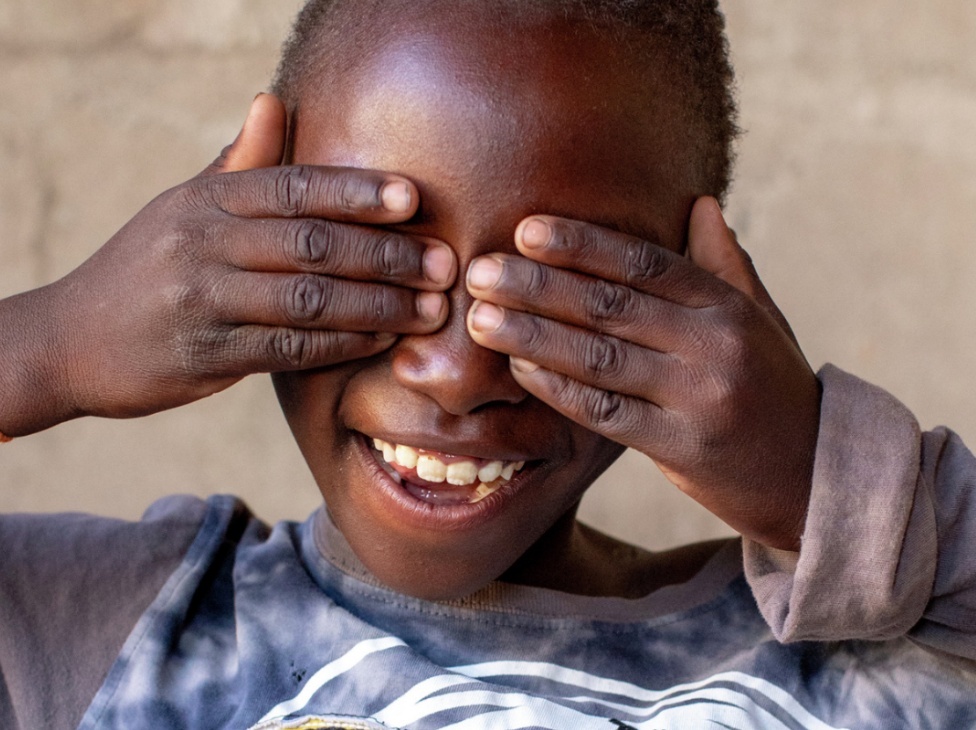
Afya-Watoto

In the Ilala, Igunga and Geita districts in Tanzania, many children living with HIV, particularly those under the age of 10, remain invisible to the health system.
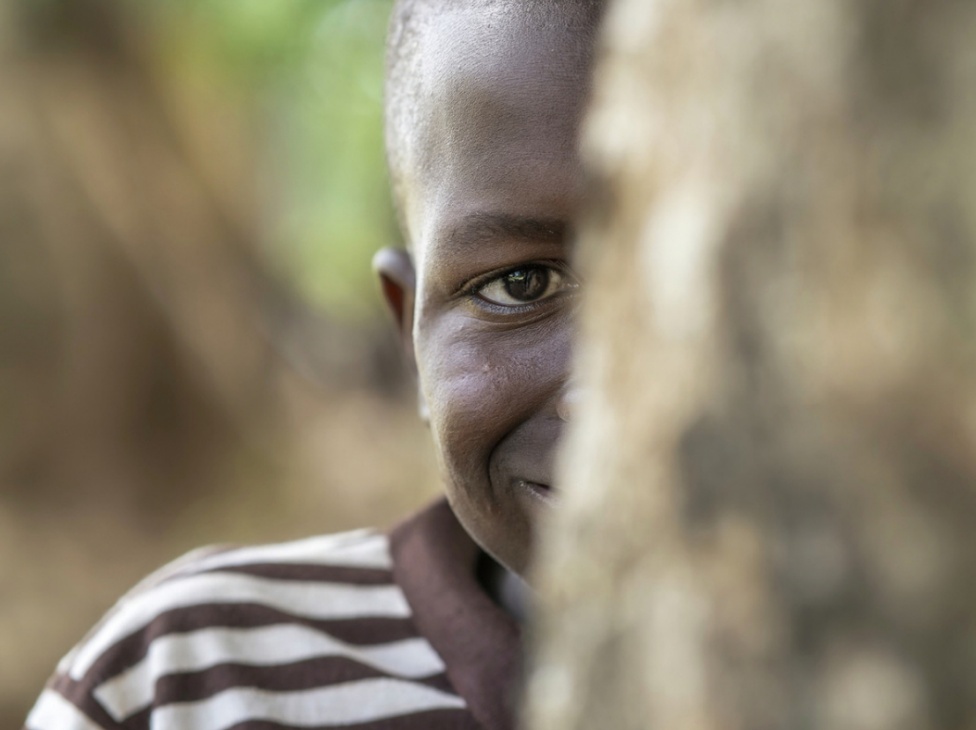
Bringing Paediatric HIV Services to the Last Mile

Many children living with HIV in Malawi remain undiagnosed or are not receiving the care they need, particularly in remote and underserved communities. 
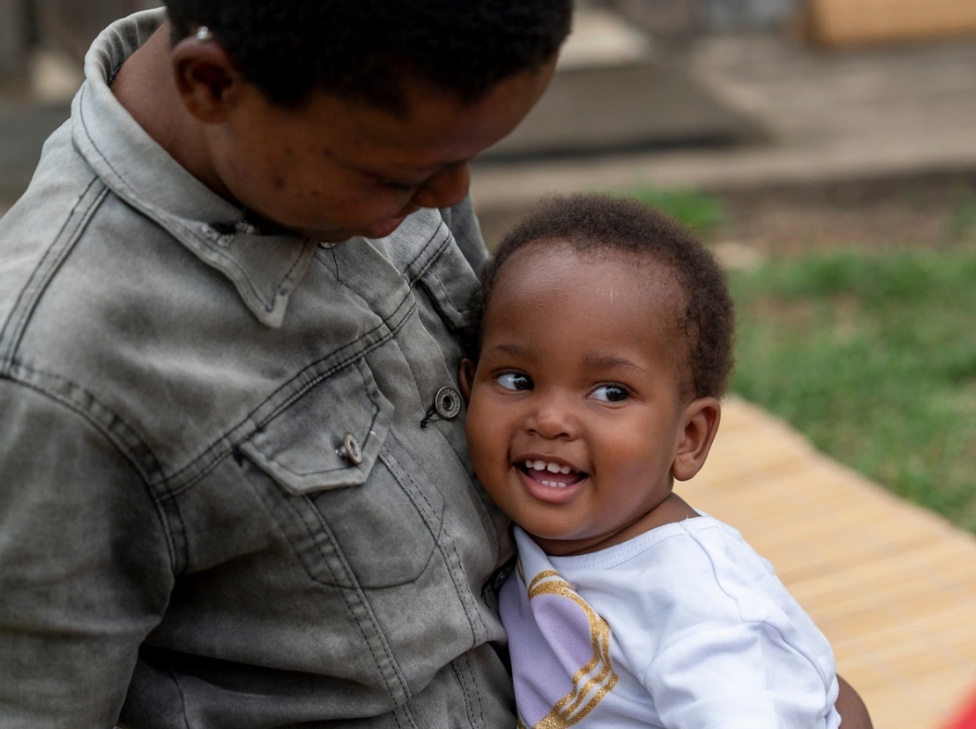
Closing the Paediatric HIV Testing and Treatment Gap

Too many children living with HIV in South Africa’s Gauteng, KwaZulu-Natal and Eastern Cape provinces are never diagnosed or enter treatment too late.
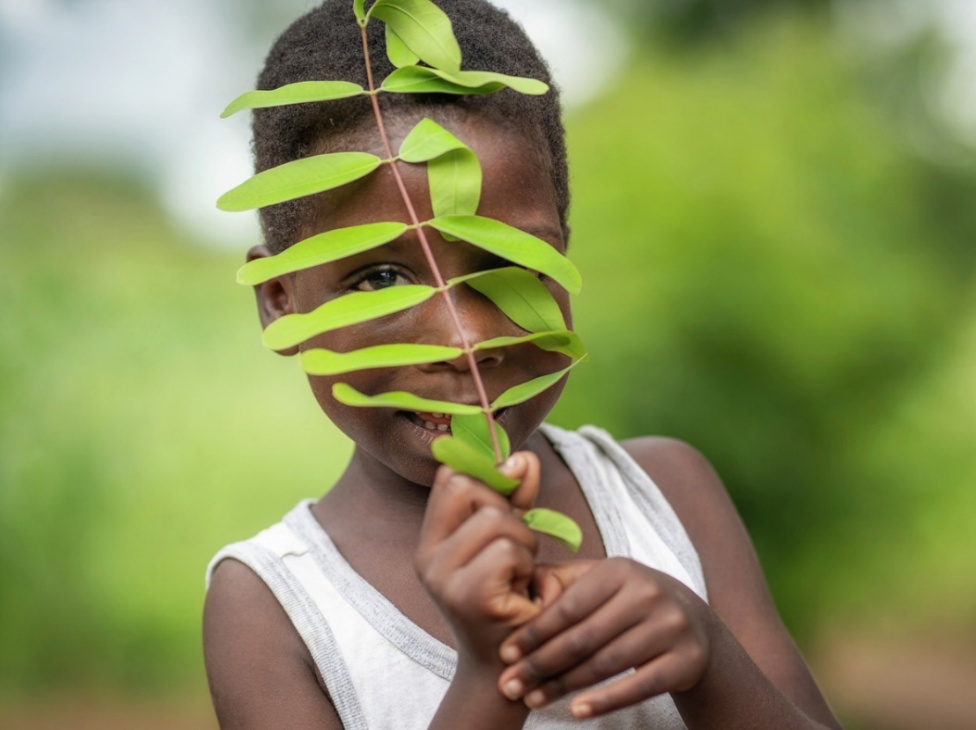
Paediatric HIV Partnership

Still too many children are being missed in the HIV response. In 2024, an estimated 1.38 million children under 15 were living with HIV, yet only 55% were receiving treatment.
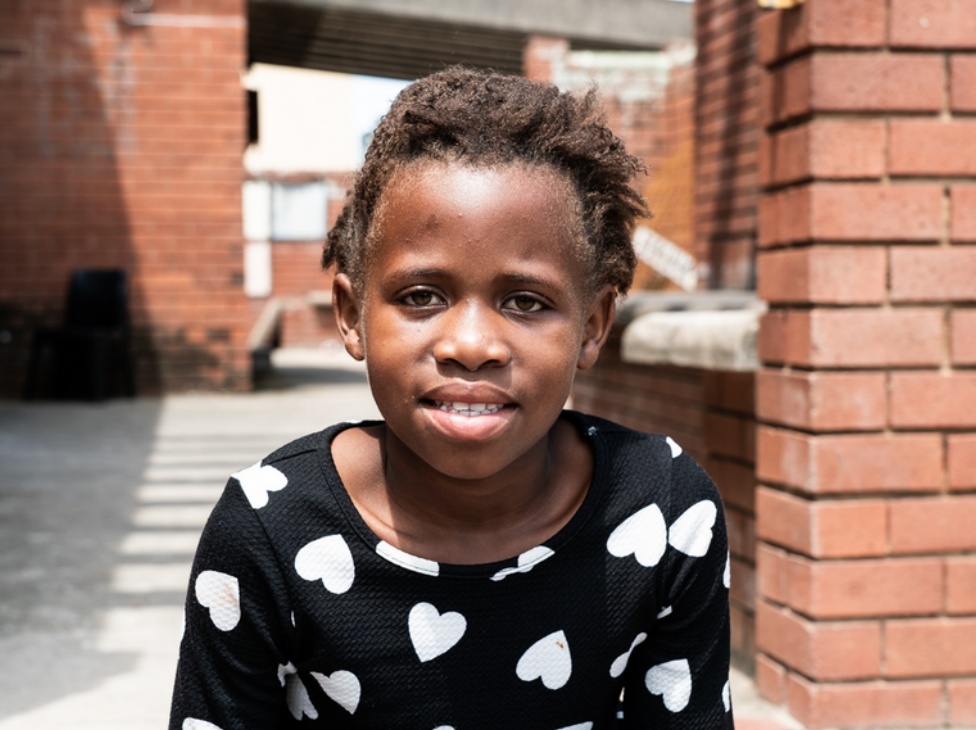
Kids Health, Kids Rights

The new Kids Health, Kids Rights project aims to eliminate vertical transmission and ensure all children living with HIV and their mothers live healthy and full lives.

Partner With Us

HopeBridge Pediatric AIDS Care is interested in working together to further strengthen community leadership, increase HIV prevention choices, and improve treatment outcomes and quality of life of people living with or exposed to HIV. We want to talk to anyone who shares our dream and wants to join us on a journey toward a world free of AIDS.


Get in touch!


Partnerships Team

partnership@hopebridgepac.org

APIPHCARE+ Project — Nigeria

Nigeria faces one of the world’s largest pediatric HIV epidemics. More than 200,000 children and adolescents are living with HIV.
Many remain undiagnosed or do not begin treatment early enough. The APIPHCARE+ Project focuses on addressing these gaps.
It aims to help children and adolescents access timely HIV services. Earlier diagnosis and care can support healthier futures.  


Afya-Watoto — Tanzania

Afya-Watoto works in Tanzania’s Ilala, Igunga, and Geita districts. Many children living with HIV, especially those under 10, remain unseen by health services. This can make it harder for them to receive needed care. The project focuses on making these children more visible to the health system. Its goal is to help connect them with appropriate support. Reaching children earlier can improve access to ongoing care.  


Bringing Paediatric HIV Services to the Last Mile — Malawi

Many children living with HIV in Malawi remain undiagnosed. Others are not receiving the care they need. This challenge is especially serious in remote and underserved communities. The project aims to bring pediatric HIV services closer to these children. It focuses on improving access to diagnosis and care. Reaching the “last mile” can help more children get support.  


Closing the Paediatric HIV Testing and Treatment Gap — South Africa

Children in Gauteng, KwaZulu-Natal, and Eastern Cape face gaps in HIV care. Some are never diagnosed. Others enter treatment too late. This project focuses on closing those testing and treatment gaps. Earlier diagnosis can help children access care sooner. The aim is to improve timely support for children living with HIV.  


Paediatric HIV Partnership

Many children are still being missed in the HIV response. In 2024, an estimated 1.38 million children under 15 were living with HIV.
Only 55% were receiving treatment, according to the text in the image. The project highlights the need to reach more children. It aims to strengthen efforts to connect children with treatment. Partnership is key to improving access and ongoing care.  


Kids Health, Kids Rights

Kids Health, Kids Rights focuses on children living with HIV and their mothers. The project aims to advance children’s rights and well-being. It supports the goal of helping families live healthy, fulfilling lives. The work recognizes that children deserve care and respect.
It also emphasizes the health and well-being of mothers. Together, these goals support stronger futures for families.